Day 1 Keynote
Leading Sustainable Change in Urban Schools
This professional development session is designed for urban school district leaders to examine how equity can serve as a driving force for sustainable organizational change. Grounded in research and practical leadership theory, the session challenges participants to move beyond surface-level interventions (event changes) and toward systemic transformation that reshapes the values, norms, and power structures of their schools (Fullan, 2006; Khalifa et al., 2016). Using case-based discussion, collaborative inquiry, and real-world planning tools, principals will critically examine how their current practices uphold or disrupt equity.
Key change leadership models anchor the session, including Fullan’s change theory, Shields’ (2010) transformative leadership, Gorski’s equity literacy framework, and Lewin’s force field analysis. Participants will also explore and apply Knoster’s (1991) “Managing Complex Change” framework to identify common pitfalls in implementation (e.g., lack of vision or resources) and reframe their leadership approach to prioritize inclusive, data-informed action. The culminating goal is for each leader to leave with a concrete, equity-focused action plan that targets both structural change and school culture shifts. Collaborative learning is emphasized through cross-district sharing and peer feedback, helping to build an ongoing network of equity-driven leaders.
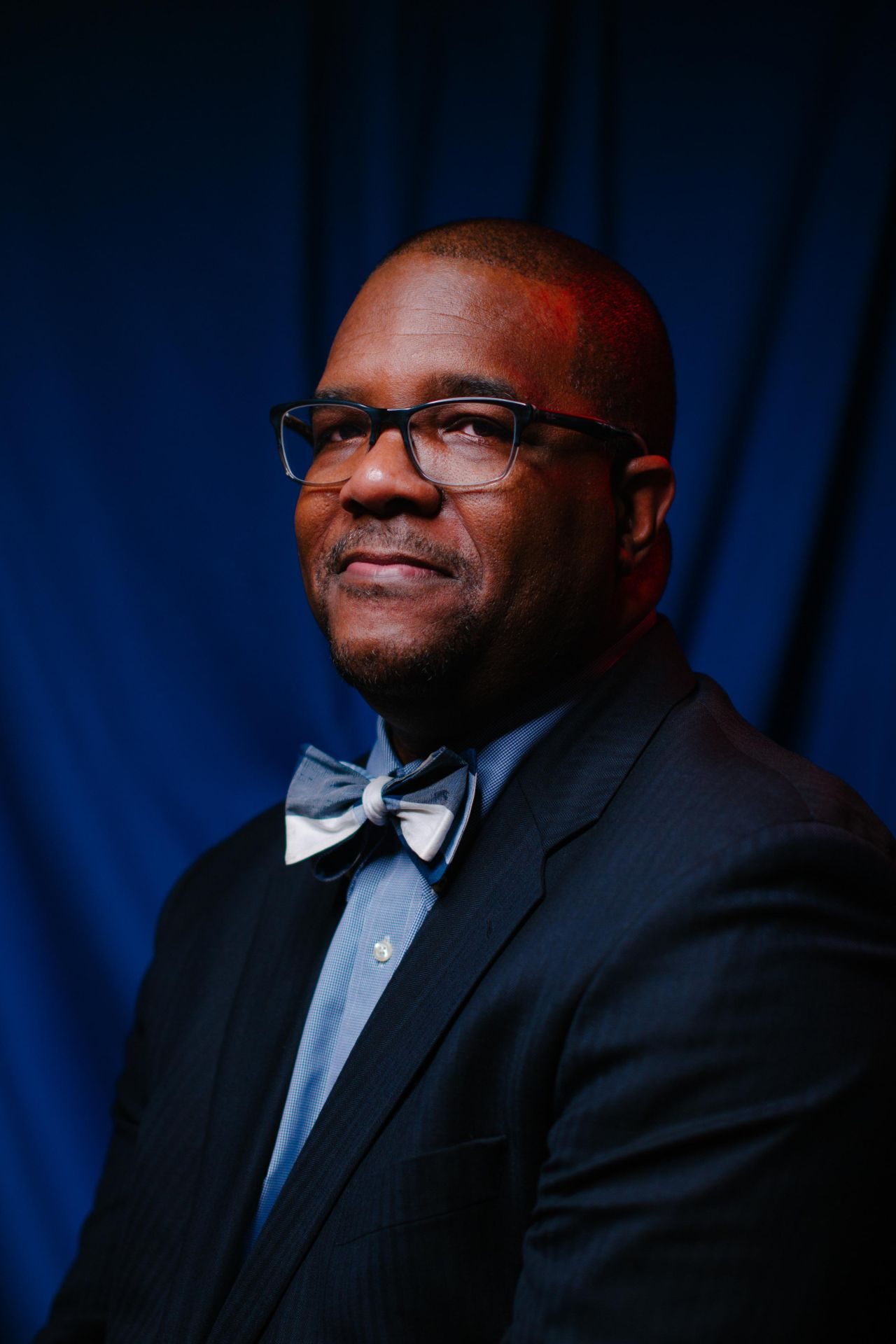
Bruce Campbell, Senior Fellow and Director of the Mid-Career Doctoral Program in Educational Leadership, University of Pennsylvania
Dr. Bruce Campbell, Jr. is a Senior Fellow and the Director of the Mid-Career Doctoral Program in Educational Leadership. Prior to his arrival at Penn GSE, he was an Associate Professor and Director of the Educational Leadership and Supervisory Certification programs at Arcadia University’s School of Education. Dr. Campbell holds a doctorate in Educational Leadership and Learning Technologies from Drexel University and a master’s degree in Urban Education from Temple University.
Preceding his career in higher education, Dr. Campbell worked extensively in the field, building capacity towards school improvement in collaboration with school leadership, teachers, and the education community. As a “Distinguished Educator” for the Pennsylvania Department of Education, Dr. Campbell worked with school districts throughout the Commonwealth. His role was to improve school district and school leadership, facilitate personnel evaluation methods, systematize school district and school organization, and evaluate curriculum and assessment techniques and methodologies. Dr. Campbell has also worked at education research firms and nonprofit organizations, including Research for Better Schools and the Philadelphia Education Fund.
Dr. Campbell’s work with these education organizations and his employment at the U.S. Department of Education Office of Civil Rights positioned him on the frontline of working with stakeholders in the education community. Dr. Campbell has been able to take his knowledge, experience, and skill to higher education as he trains the next generation of educational leaders. Throughout his career, Dr. Campbell has focused on embedding relevant diversity and social justice issues into his practice, scholarship, and service in education. He highlights the experiences of underrepresented groups so that professionals and institutions can advocate and serve these communities more effectively. His recent TEDx Talk is a good representation of his passion for his work. Dr. Campbell teaches courses in educational leadership, organizational change, urban education, social justice, cultural competency, international musicology, qualitative research methods, and program evaluation.
Day 1 Speakers
Culturally Responsive School Leadership: Instructional Leadership for success
This session will ground instructional leadership practices in local community knowledges and critical self-reflection as a way to grow cultural responsiveness in districts and schools.
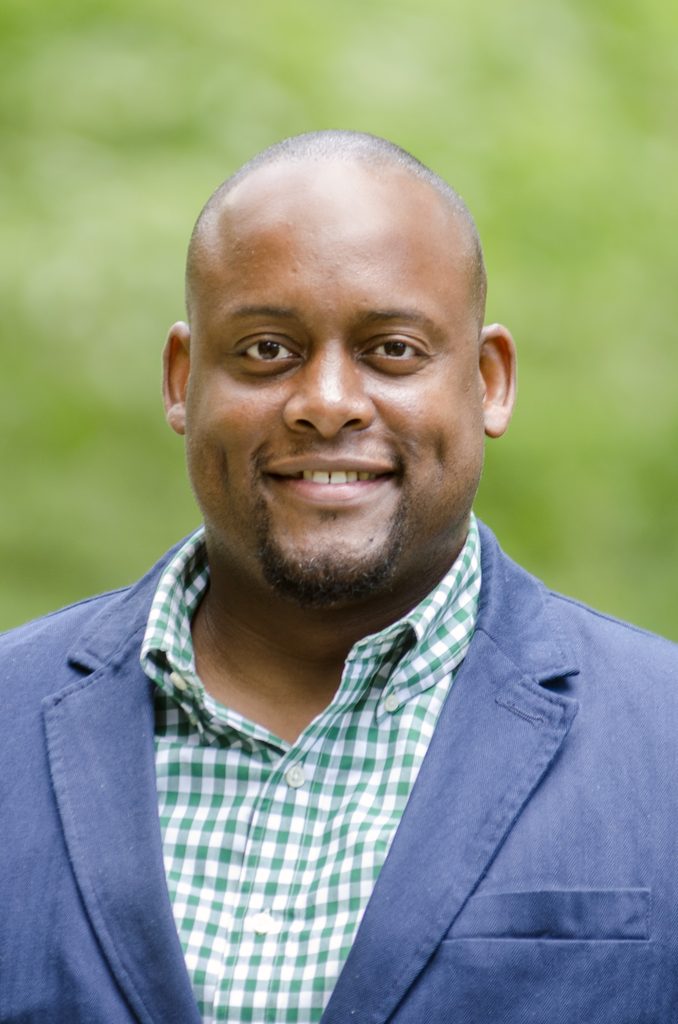
Muhammad Khalifa, Professor, The Ohio State University
Dr. Muhammad Khalifa is a Professor of Educational Administration and Executive Director of Urban and Rural Initiatives at the Ohio State University. Prior to joining OSU, he served as the Robert H. Beck Endowed Chair of Ideas in Education at the University of Minnesota. He has published six books and over 50 other publications in some of the most highly ranked journals in education. His journal article entitled, ‘Culturally Responsive School Leadership: A synthesis of the literature’ is the most cited article in the field of educational leadership within the past 10 years. His book, Culturally Responsive School Leadership (Harvard University Press, 2018), is a top-seller and is being used in over 800 school leadership and training programs across the United States and Canada, as well as other parts of the world. Remarkably, Dr. Khalifa has found innovative and impactful ways to apply scholarship to practice. His scholarship inspired the development of the Culturally Responsive School Leadership Institute and Academies (www.crsli.org). Dr. Khalifa also partners with school districts to conduct equity audits as a way to reduce injustice and inequities, and prioritize equity reform efforts in schools. He is a former district administrator and science teacher in Detroit Public Schools and is also a leading expert of educational reform in African and Asian contexts. His new book on Culturally Responsive Instructional Leadership is due out in 2026.
Building Trust to Advance Human-Centered Leadership in Columbus City Schools
As part of The Wallace Foundation’s Initiative (ECPI), the Columbus City Schools has been engaged in a study exploring trust as a critical condition for principal success and system effectiveness. This interactive session will examine trust as an enabler of human-centered leadership by highlighting how strong, trust-based relationships support principals in leading schools, responding to student and family needs, and advancing district priorities.
Participants will engage with emerging themes from interviews and focus groups and help shape the next phase of the work. Rather than presenting a finished framework, this session is designed to invite participant voice, validate insights, and co-construct recommendations so that the final trust framework reflects the lived realities and aspirations of CCS.
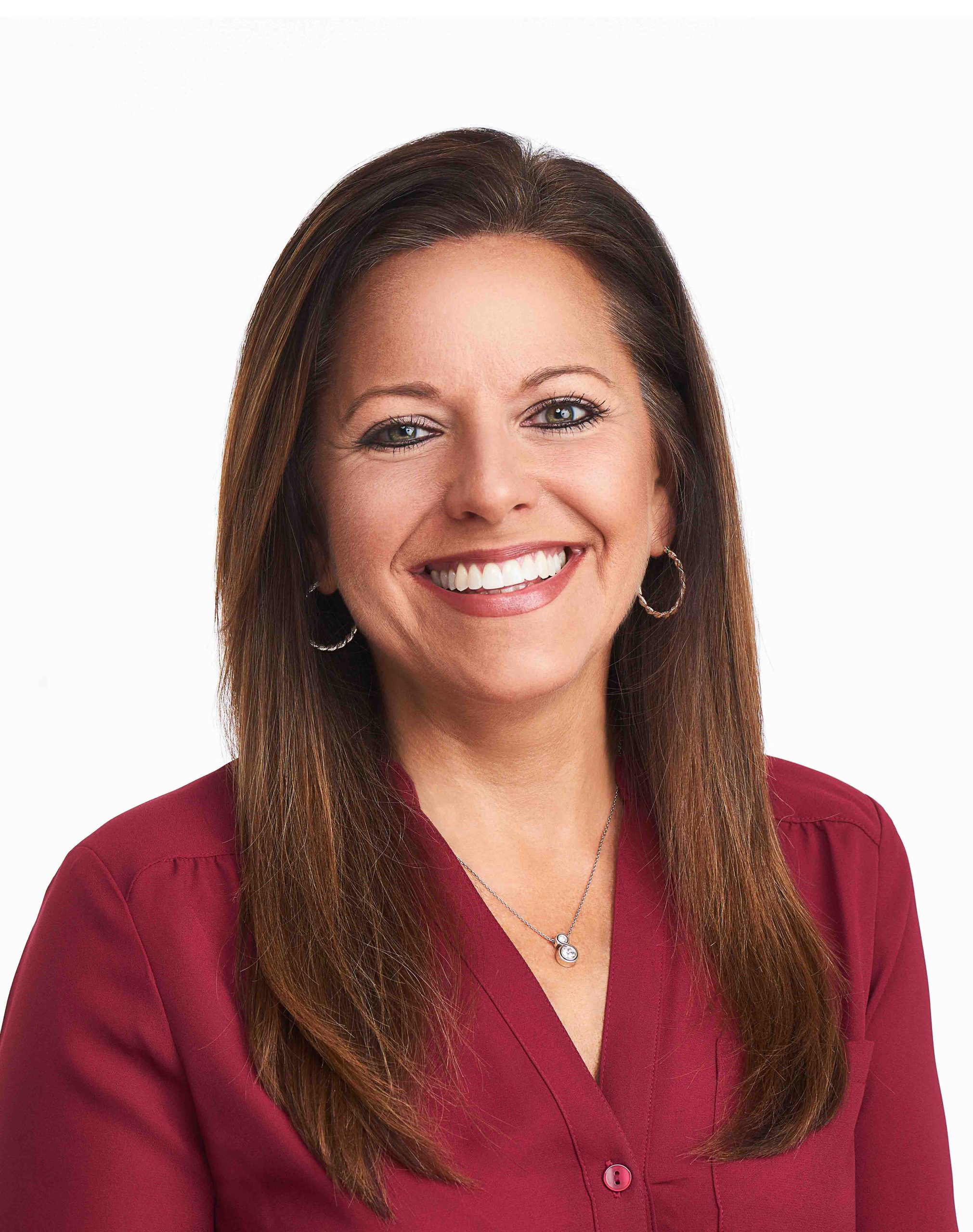
Denise Snowden, Founder & CEO, Coach to Lead
Dr. Denise Snowden is a leadership strategist, executive coach, and founder of Coach to Lead. She works alongside executives, leadership teams, and organizations to strengthen leadership and systems, facilitate strategic planning, and accelerate growth. Denise brings nearly three decades of experience across education, nonprofit leadership, consulting, and higher education, including serving as a faculty member at The Ohio State University. She is also a Vistage Chair and a certified Leadership Circle Profile® practitioner, supporting executives to lead from the inside out through reflection, coaching, and systems thinking. Her work centers on helping leaders navigate complexity with clarity, reflection, and purpose.
An Effective Leadership Strategy We’ve Been Sleeping On
In a culture that glorifies busyness, leaders often sacrifice the very thing that fuels clarity, empathy, and resilience: sleep. This keynote reframes rest as a strategic leadership tool, grounded in science and practical application. Participants will explore what happens in the brain and body during different stages of sleep, uncovering how rest restores emotional balance, focus, and creativity. Attendees will leave with both insight and a clear plan for using sleep as a foundation for more effective, sustainable leadership.
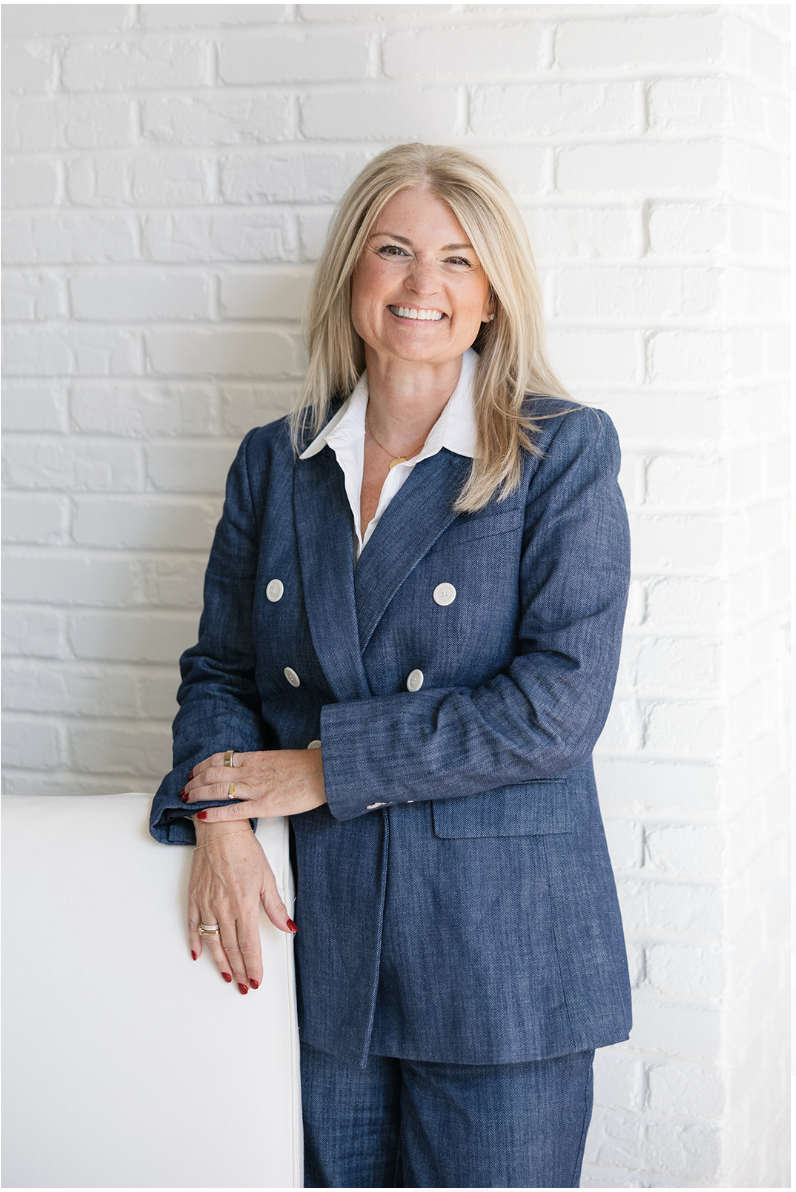
Lori Ludwig, Founder/CEO, Elevate
Lori is dedicated to cultivating purpose and growth in others. With 33 years of experience in educating and elevating others, Lori thoughtfully supports and inspires individuals, teams, and large groups. In addition, she co-founded a software company dedicated to serving nonprofits and schools. Lori lives in Ohio with her husband, Brett. Her greatest teachers are her 3 adult daughters and her brand-new granddaughter. Lori’s family is her highest joy!
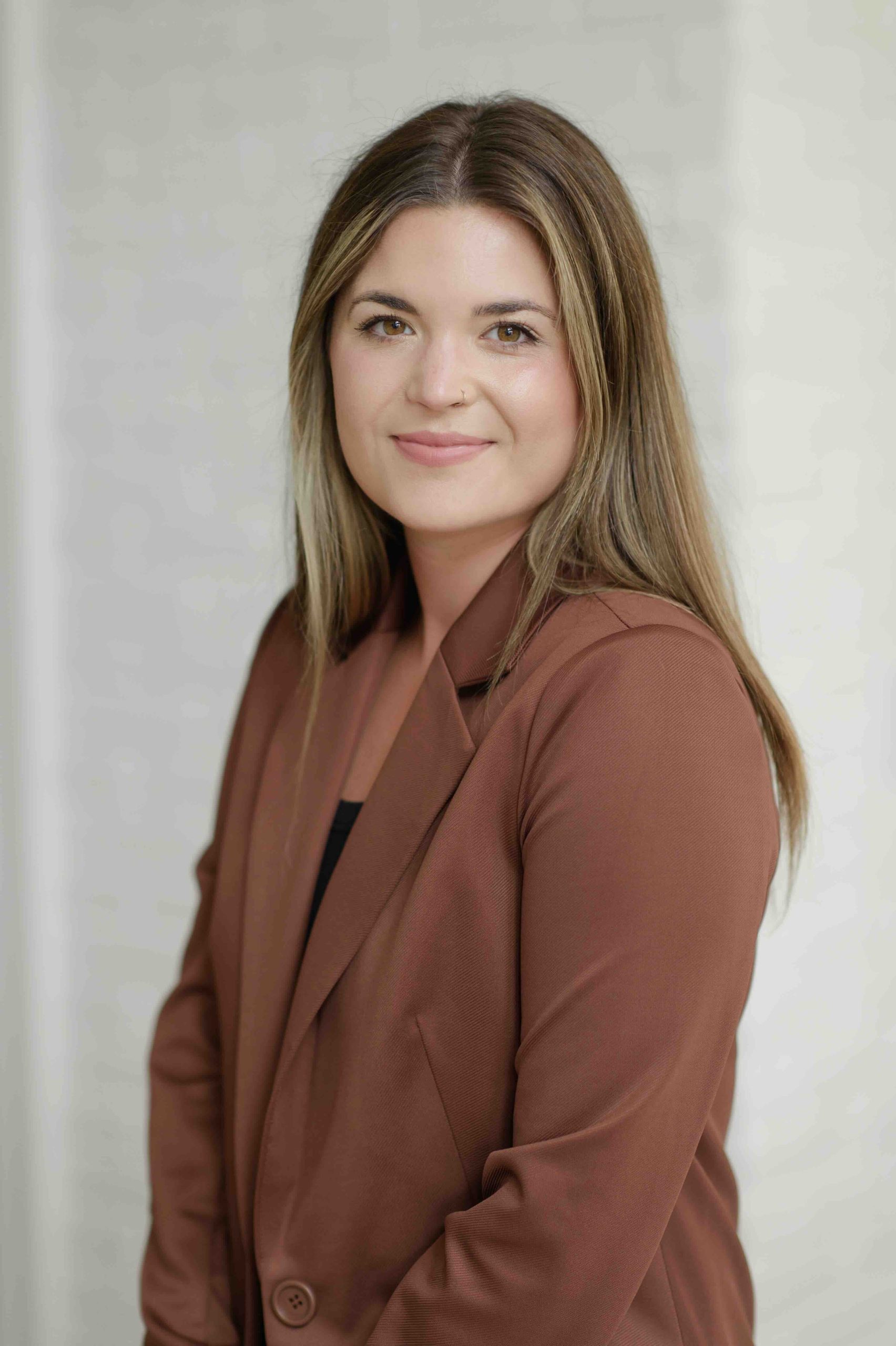
Emily Harmon, Director of Research & Development, Elevate
Emily Harmon is a leadership consultant, executive coach, and public speaker specializing in organizational and leadership development. She partners with organizations to cultivate healthy cultures, strengthen leadership capacity, and support sustainable performance through research-informed, human-centered practices. Emily is currently pursuing her doctorate in Organization Development and Change, where her research explores leadership communities, belonging, leadership well-being, and burnout reduction. She integrates research and practice to help organizations navigate challenges while creating environments where leaders and people can thrive.
Using Data on Leadership Practices for School Improvement
This interactive session will give participants an opportunity to work with data on leadership practices collected via a survey developed by the CALL for Equity Centered Leadership (CALL-ECL) project. The project is housed at the University of Wisconsin-Madison. Session attendees will work with real, anonymized data collected from districts across the ECPI, including Columbus City Schools. Participants will interact with the data in real time and practice connecting their insights to improvement priorities at their school sites.
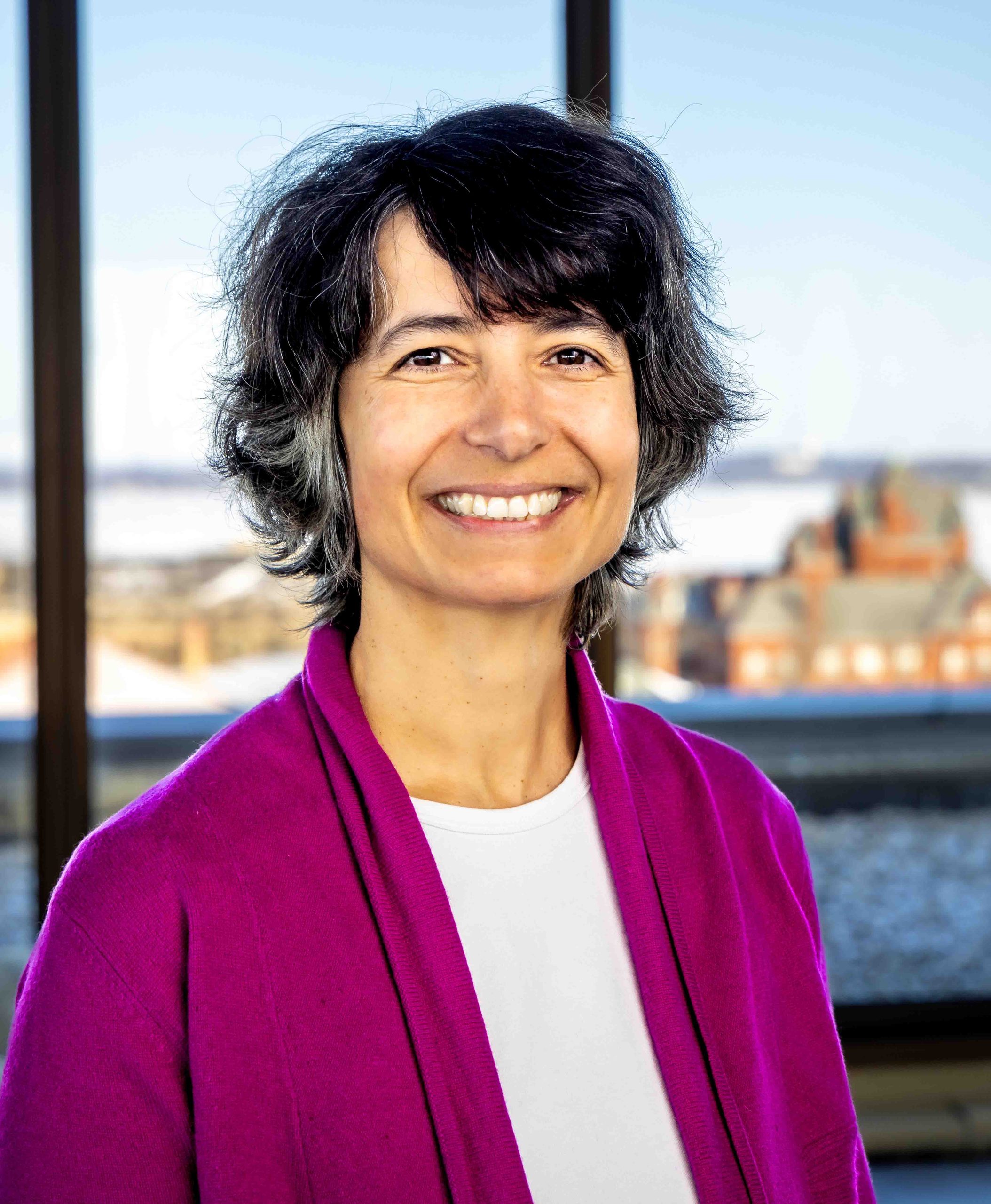
Dani Molle, Researcher, University of Wisconsin-Madison
Dr. Daniella Molle is a qualitative researcher who conducts inquiries related to equitable education for historically underserved students. She has a background in the teaching and learning of English as an additional language. For a decade, her work focused on expanding educators’ capacity to meet the needs of multilingual students through job-embedded professional learning. Since 2021, Daniella has been the research director of a large grant-funded project focused on equity-centered school leadership, CALL-ECL.
Daniella earned her masters’ degree at the University of Illinois at Urbana-Champaign, and her doctorate at the University of Wisconsin–Madison.
Restorative Leadership in Action: Understanding Principal Safety and Wellbeing
In collaboration with Leslie Hejduk, M.Ed. CCS Whole Child Supports – Restorative Practices
In this presentation, presenters will share findings from a series of focus groups and surveys with CCS personnel on the topic of safety, well-being, and restorative leadership that took place over the past several months. Themes and main takeaways will be shared, and a new framework for principal safety and wellbeing will be debuted and discussed. Implications for CCS professional development, policy and practice will be discussed.
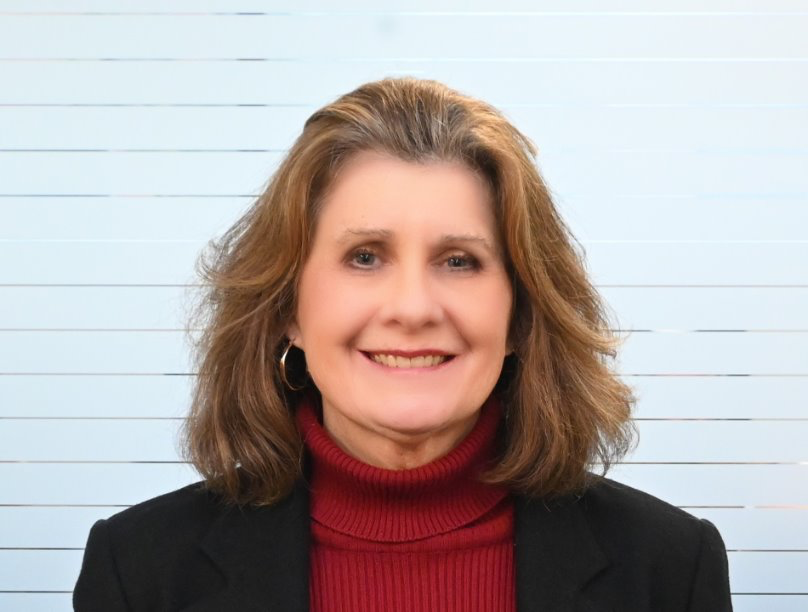
Linda Reddy, Distinguished Professor, Rutgers University
Dr. Reddy is a Distinguished Professor in the School Psychology Doctoral Program and the Associate Dean of Research and Innovation for the Graduate School of Applied and Professional Psychology (GSAPP) – Rutgers University. Dr. Reddy’s work centers on improving school personnel and parent effectiveness in supporting student learning and behavior in high-needs schools. Her research interests include (1) the development and validation of innovative school assessment and interventions, (2) instructional and behavior support coaching, (2) educator effectiveness & safety/wellbeing, (3) educational technology (generative AI) and (4) students with behavior and reading difficulties in under-served schools. Dr. Reddy is a member of the APA Task Force for Violence Against School Personnel and Teachers (website) which conducts large-scale studies on understanding school system structures, conditions and practices that influence school personnel and student safety and wellbeing in US schools. Dr. Reddy is a licensed psychologist, nationally certified school psychologist and a proud mother of twin daughters.
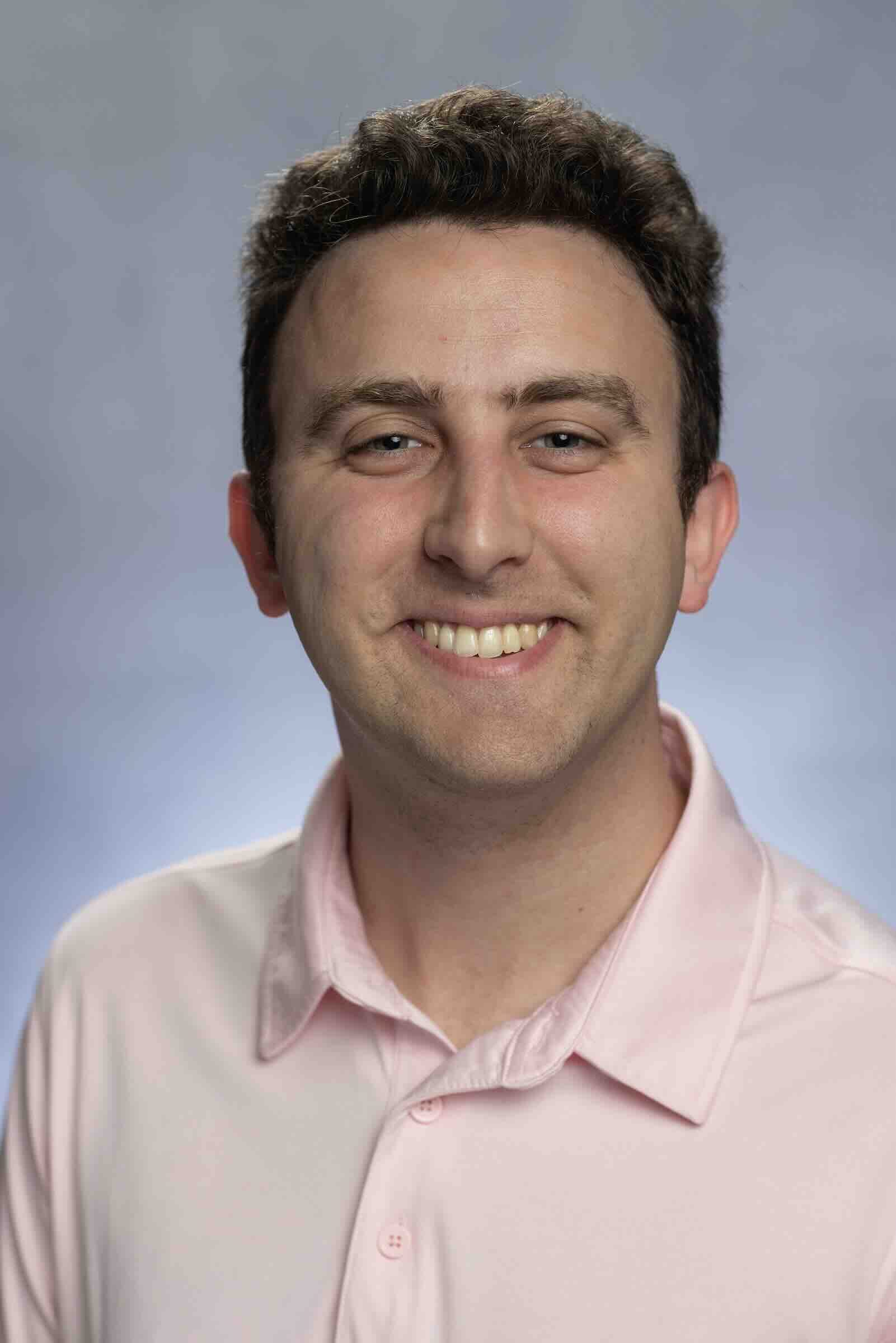
Andrew H. Perry
Andrew H. Perry is a postdoctoral scholar at The Ohio State University. His research focuses on the prevention of violence against stakeholders in K–12 schools, the motivation of underrepresented community college transfer students, and the development of academic integrity in higher education.
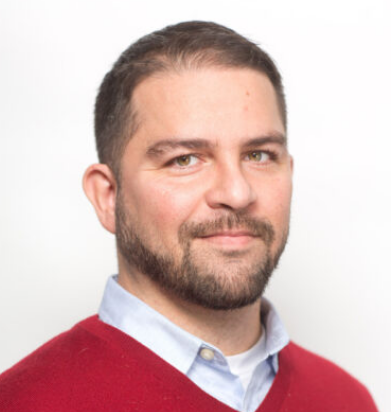
Andrew Martinez
Andrew Martinez, M.S.W. Ph.D., is an Affiliate Research Faculty at Rutgers University, and former high school guidance counselor. His research focuses on school-based programs, including restorative practices, school safety, and mental health interventions. He has also led extensive work on criminal justice system reforms across the country. Dr. Martinez has authored over 30 peer-reviewed publications and serves as a contributing scholar on the American Psychological Association Task Force on Violence Against Educators and School Personnel. He holds a Ph.D. in Community Psychology and a Master of Social Work degree.
What Supports AP Learning? A Collective Inquiry Workshop
We often think a lot about student and teacher learning – but what about Assistant Principals’ learning? In this collective inquiry workshop, Assistant Principals will have a chance to reflect together about current supports for their learning and co-design ideas for future learning supports.
*Note: All Assistant Principals are required to register for this session. It is being offered multiple times during the institute.
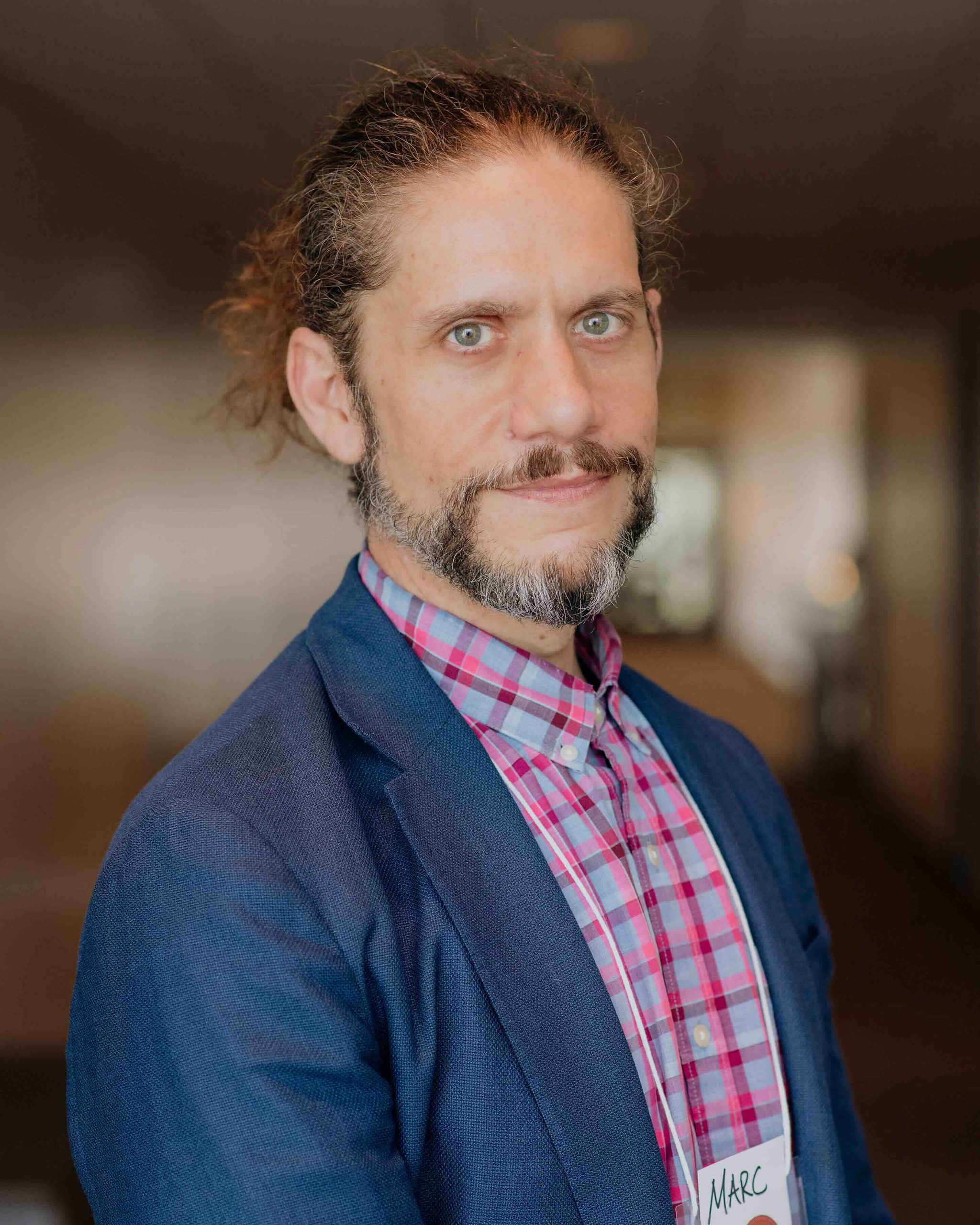
Marc Stein, Executive Director, Improvement Colaboratory, Improving Education
Marc is the executive director of the Improvement Colaboratory (CoLab) at Improving Education, a non-profit dedicated to using improvement science to help make educational opportunities a reality for all children. The CoLab pairs rigorous social science research, cutting-edge methodological and analytic approaches with a deep knowledge of education practice and systems to develop the methods of improvement science for application to real world educational problems. Prior to co-founding the CoLab, Marc was the managing director of the Baltimore Education Research Consortium (BERC) and an associate professor of education policy at Johns Hopkins University. Marc received his PhD (Leadership and Policy Studies) from Vanderbilt University and his MS (Secondary Education) and BA (History) from the University of Tennessee, Knoxville
Attendance Trends and Strategies for Improvement in Columbus City Schools
In collaboration with CCS Whole Child Supports – Attendance Leadership Team
Like many districts across the nation, Columbus City Schools continues to grapple with elevated levels of student absenteeism. Although attendance in the district has improved since its peak during the COVID-19 pandemic, chronic absenteeism remains higher than it was prior to 2020 and continues to affect a substantial share of district students. This session will explore what these attendance patterns look like within the district and what they mean for student success. We will discuss the complex mix of health, family, climate, and engagement factors influencing school attendance, and highlight actionable considerations for educators, school leaders, and policymakers.
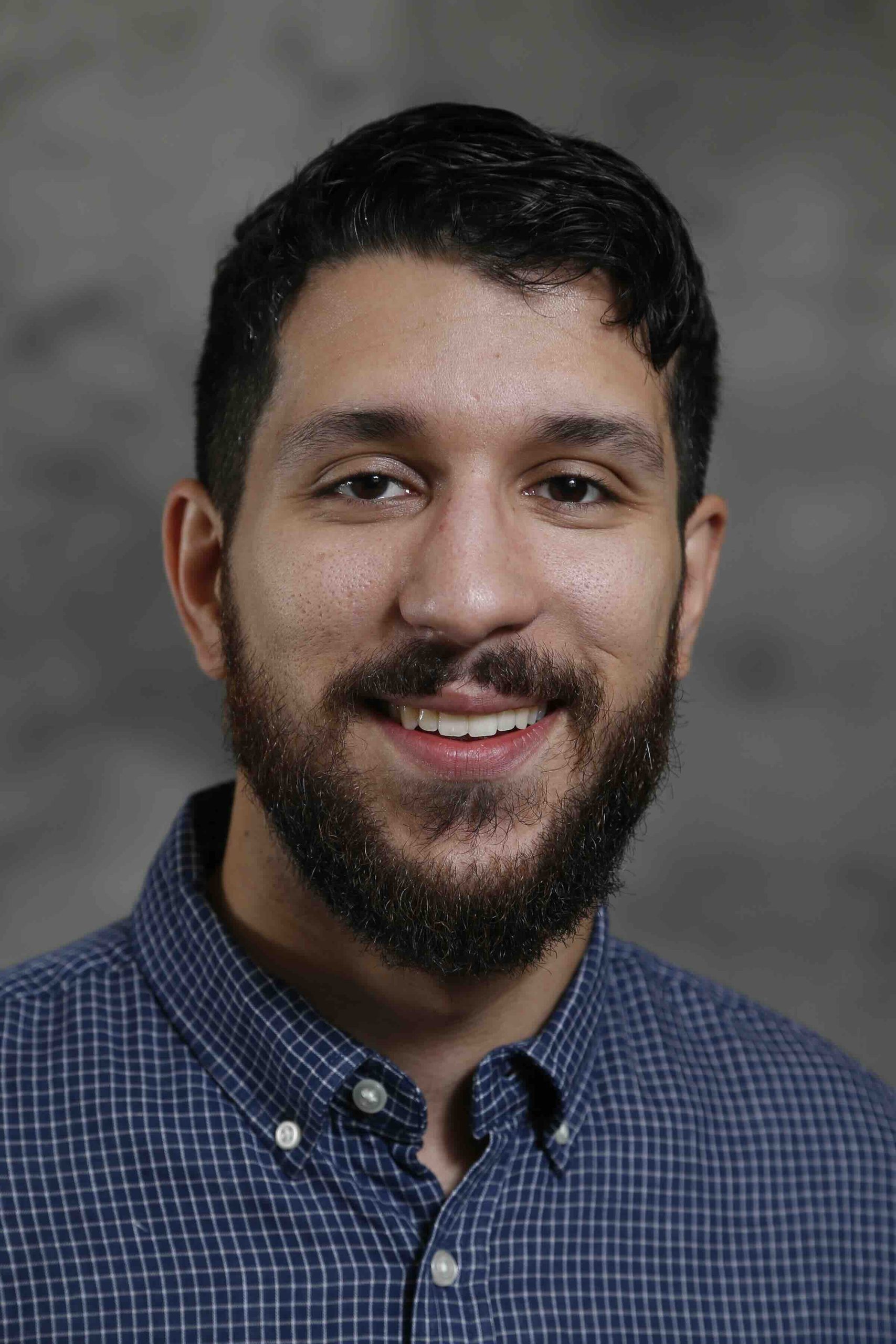
Arya Ansari, Associate Professor, The Ohio State University
Dr. Arya Ansari is an Associate Professor of Human Development and Family Science and a Faculty Associate at the Crane Center for Early Childhood Research and Policy, both at The Ohio State University. His research examines how educational settings, family environments, and community contexts shape children’s development, well being, and long term success, with a focus on promoting equitable opportunities for all children.
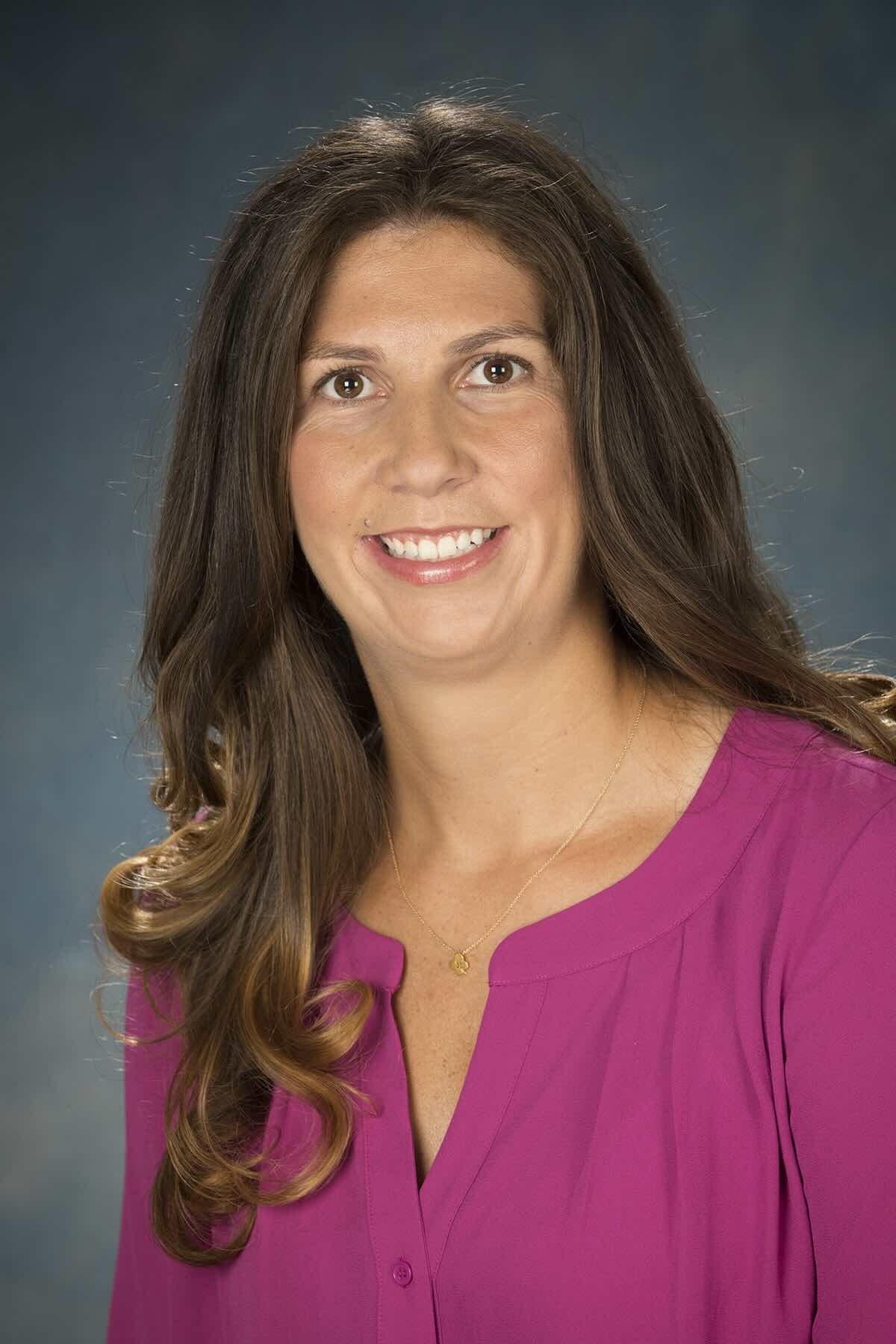
Kelly Purtell, Interim Vice Chair, The Ohio State University
Kelly Purtell is the Interim Vice Chair of the Department of Human Sciences a Scarlet & Gray Associate Professor of Human Development and Family Science in the College of Education and Human Ecology at The Ohio State University. She received her PhD. in Developmental Psychology from the University of North Carolina at Chapel Hill.
Her research centers on understanding how contextual factors shape health and development among low-income children and adolescents, and on how policies and programs can enhance the developmental trajectories of these youth. Many of her current projects focus on policies and practices related to early childhood education, the transition to kindergarten, and supporting families with school-age children.
Your Nervous System Has an Opinion About Your Strategy: Mapping the Forces That Shape — and Strain — Leadership Efficacy in Complex Systems
The most consequential forces shaping your leadership are not the ones on your strategic plan. They are the ones operating beneath it in the neurological responses of the people you are asking to change, in the equilibrium of driving and restraining forces that holds your most important initiatives in place despite everything you have invested in moving them, and in the quiet, persistent demands your own nervous system is making on your capacity to lead with clarity, steadiness and sustained purpose. This breakout session experience, grounded in Kurt Lewin’s Force Field Analysis and informed throughout by applied neuroscience, will give Columbus City Schools system leaders the frameworks, the language and the practical tools to see all of it clearly for the first time, and to lead what they now can see with a precision and intentionality that changes not just what they do, but how the people and systems around them respond to what they do.
Bruce Campbell, Senior Fellow and Director of the Mid-Career Doctoral Program in Educational Leadership, University of Pennsylvania
Dr. Bruce Campbell, Jr. is a Senior Fellow and the Director of the Mid-Career Doctoral Program in Educational Leadership. Prior to his arrival at Penn GSE, he was an Associate Professor and Director of the Educational Leadership and Supervisory Certification programs at Arcadia University’s School of Education. Dr. Campbell holds a doctorate in Educational Leadership and Learning Technologies from Drexel University and a master’s degree in Urban Education from Temple University.
Preceding his career in higher education, Dr. Campbell worked extensively in the field, building capacity towards school improvement in collaboration with school leadership, teachers, and the education community. As a “Distinguished Educator” for the Pennsylvania Department of Education, Dr. Campbell worked with school districts throughout the Commonwealth. His role was to improve school district and school leadership, facilitate personnel evaluation methods, systematize school district and school organization, and evaluate curriculum and assessment techniques and methodologies. Dr. Campbell has also worked at education research firms and nonprofit organizations, including Research for Better Schools and the Philadelphia Education Fund.
Dr. Campbell’s work with these education organizations and his employment at the U.S. Department of Education Office of Civil Rights positioned him on the frontline of working with stakeholders in the education community. Dr. Campbell has been able to take his knowledge, experience, and skill to higher education as he trains the next generation of educational leaders. Throughout his career, Dr. Campbell has focused on embedding relevant diversity and social justice issues into his practice, scholarship, and service in education. He highlights the experiences of underrepresented groups so that professionals and institutions can advocate and serve these communities more effectively. His recent TEDx Talk is a good representation of his passion for his work. Dr. Campbell teaches courses in educational leadership, organizational change, urban education, social justice, cultural competency, international musicology, qualitative research methods, and program evaluation.
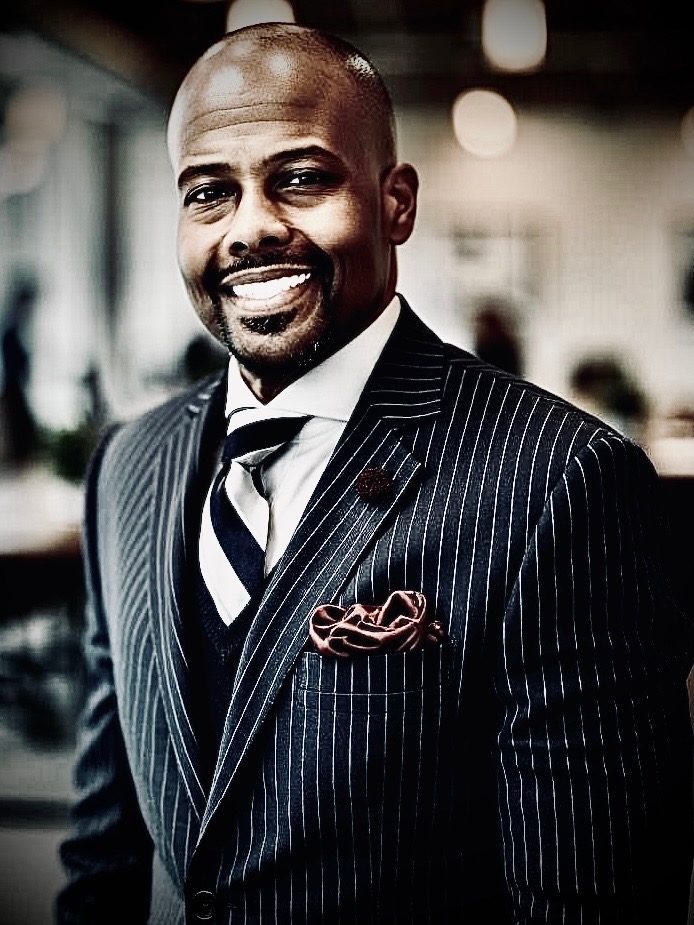
Tim Foxx, Director of the Center for School Study Councils at the University of Pennsylvania’s Graduate School of Education
Tim Foxx is the Director of the Center for School Study Councils at the University of Pennsylvania’s Graduate School of Education, where he collaborates with faculty, staff, researchers and other experts to create professional learning opportunities that equip education executives regionally, nationally, and globally to lead with clarity, resilience and vision. By curating research-informed, cross-sector professional development that integrates neuroscience, adaptive leadership, and systems thinking, he prepares leaders to thrive in uncertainty and transform their organizations. Guided by his belief that “Where you set your mind will determine your mindset”—Foxx advances a humanizing approach to leadership that sustains people, systems, and communities.
Tim Foxx
Day 2 Keynote
Beyond the Algorithm: Shaping a Human-Centered Future for Our Schools
Leadership in the age of AI isn’t just about choosing the right software; it’s about protecting the heart of what we do in K12 education. While the technology is evolving at a rapid pace, the fundamental needs of our students, to be seen, nurtured, challenged, and inspired, have not changed. In this talk, Dr. Price will provide a roadmap for moving beyond reactive tech adoption toward a values-driven framework that fosters intentional innovation in teaching and learning.
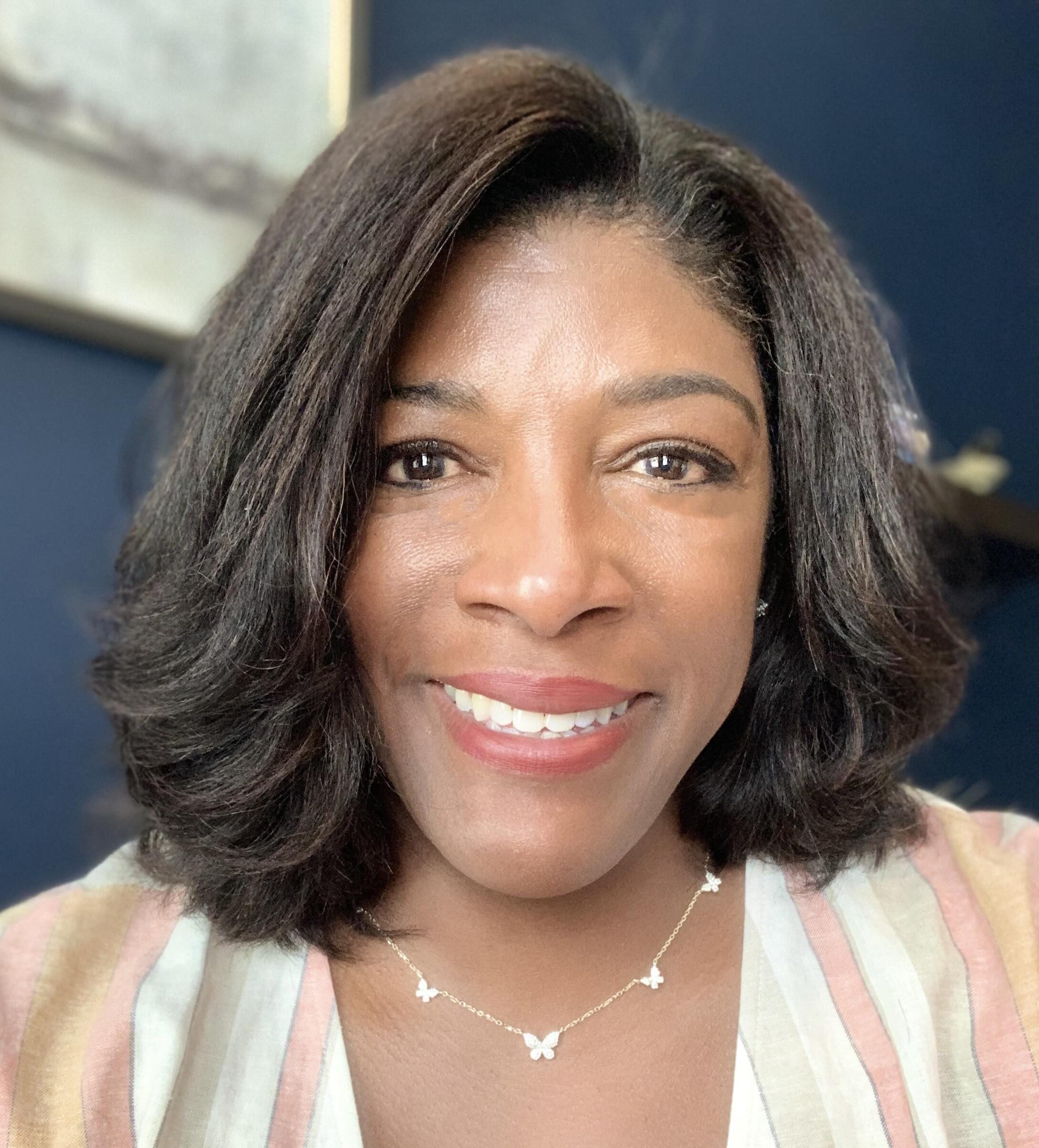
Detra Price, Executive Director, The Center for Digital Learning and Innovation, The Ohio State University
Dr. Detra M. Price is the Executive Director of the Center for Digital Learning and Innovation and a Professor of Teaching and Learning at The Ohio State University’s College of Education and Human Ecology. She currently services as the President-Elect for the National Council of Teachers of English. Dr. Price’s award-winning research examines the intersection of critical literacy education, learning technologies, and curriculum development in K-8 classrooms. She has developed initiatives and provided strategic guidance for professional organizations, institutions of higher education, and K-12 school districts to support impactful teaching practices that foster innovation, creativity, and critical engagement in learning.
From Reflection to Action: Collaborative Conversations on Culturally Responsive Leadership (moderated by Diane Agnes, CCS Area Superintendent)
Join Dr. Muhammad Khalifa for an interactive conversation focused on the realities of leading culturally responsive schools and systems. Participants will engage in collaborative dialogue around leadership challenges, questions of practice, and strategies for advancing equity-centered instructional leadership. This session is designed to provide space for reflection, problem-solving, and shared learning grounded in the day-to-day work of school and district leaders.
Muhammad Khalifa, Professor, The Ohio State University
Dr. Muhammad Khalifa is a Professor of Educational Administration and Executive Director of Urban and Rural Initiatives at the Ohio State University. Prior to joining OSU, he served as the Robert H. Beck Endowed Chair of Ideas in Education at the University of Minnesota. He has published six books and over 50 other publications in some of the most highly ranked journals in education. His journal article entitled, ‘Culturally Responsive School Leadership: A synthesis of the literature’ is the most cited article in the field of educational leadership within the past 10 years. His book, Culturally Responsive School Leadership (Harvard University Press, 2018), is a top-seller and is being used in over 800 school leadership and training programs across the United States and Canada, as well as other parts of the world. Remarkably, Dr. Khalifa has found innovative and impactful ways to apply scholarship to practice. His scholarship inspired the development of the Culturally Responsive School Leadership Institute and Academies (www.crsli.org). Dr. Khalifa also partners with school districts to conduct equity audits as a way to reduce injustice and inequities, and prioritize equity reform efforts in schools. He is a former district administrator and science teacher in Detroit Public Schools and is also a leading expert of educational reform in African and Asian contexts. His new book on Culturally Responsive Instructional Leadership is due out in 2026.
Effective Practices: How Principals Support EL Students and Teachers
In collaboration with Belinda Gimbert and CCS Office of English Learners
PK-12 principals are crucial to academic success, second only to teachers. Recognizing their complex role, principals must prioritize instructional leadership, especially in specialized areas like English Language Learners (ELs). This session will present findings from a study conducted on how PK-12 principals support EL students and teachers and provide timely strategies to take back to the school and classroom.
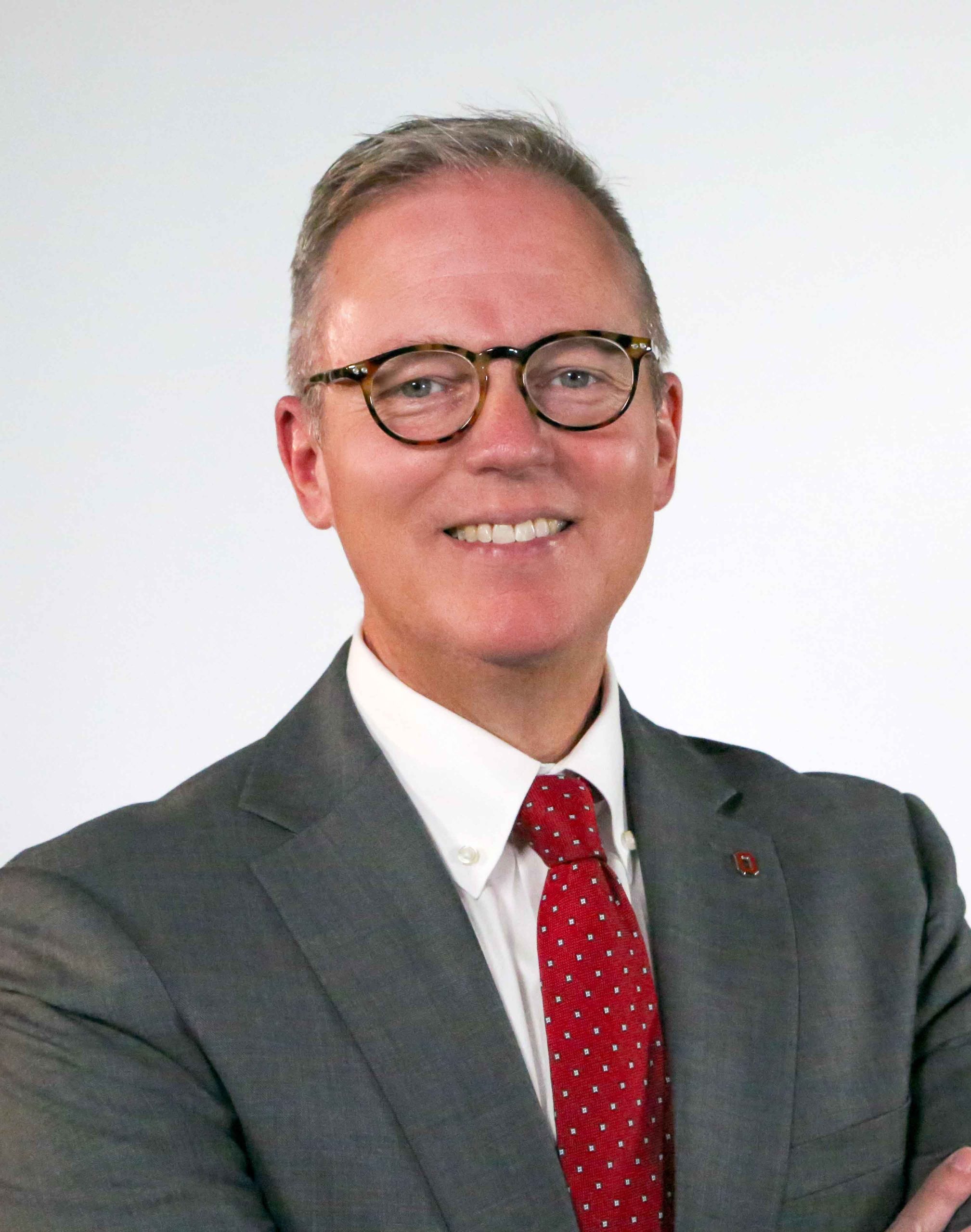
Dustin Miller, Associate Chair of Educational Studies, The Ohio State University
Dr. Miller is Associate Chair in Educational Studies and an Assistant Professor of Clinical Educational Administration in the College of Education and Human Ecology at The Ohio State University. His research interests focus on principal professional learning, leading in times of crises, and navigating complex communication with school stakeholders. He teaches courses on leadership, professional learning, and human resource management.
Prior to The Ohio State University, Dr. Miller spent 20 years in k-12 as a high school principal, middle school principal, director of secondary education, and an English teacher. He has served on the board of directors for the Ohio Association of Secondary School Administrators (OASSA), including a term as the president. In addition to his service on the OASSA board of directors, he has chaired the Assistant Principal Committee, the Curriculum Leadership Committee, the Athletic Committee, and has presented at several OASSA conferences on topics varying from educational change in the 21st century to effective communication for leaders. He also held an appointment on the Ohio Department of Education Standards Board.
Innovation Lab
Participants will experience hand-on learning at the Innovation Lab. Learning stations will include opportunities for coding, learning about Apple Intelligence, multi-media making, and XR technologies.

Dr. Julie Johnson, The Ohio State University
Dr. Johnson brings more than three decades of classroom experience to her role as Outreach Director at OSU’s Creativity and Innovation Design Network, where she bridges K–12 education, preservice teacher preparation, and university faculty development. Her work centers on technology-integrated learning — from Challenge-Based Learning and augmented reality to human-centered AI — with a consistent emphasis on equity, ethics, and creative expression.
A published author in The Reading Teacher, Apple Teacher and Apple Ambassador, and CEI member, Julie is committed to scaling impact. She has presented at NCTE and LRA, designed AI literacy curriculum for educators at every level, and collaborated widely to help learners become critical, creative participants in a technology-shaped world.

Lauren Palmer
I’m Lauren Palmer. I am an incoming senior at Ohio State. I am a primary education major with a dual license in visual impairments. I am a Creativity, Innovation, and Design Network fellow where I work in classrooms and other learning environments to explore how to integrate technology to make learning more accessible and fun.
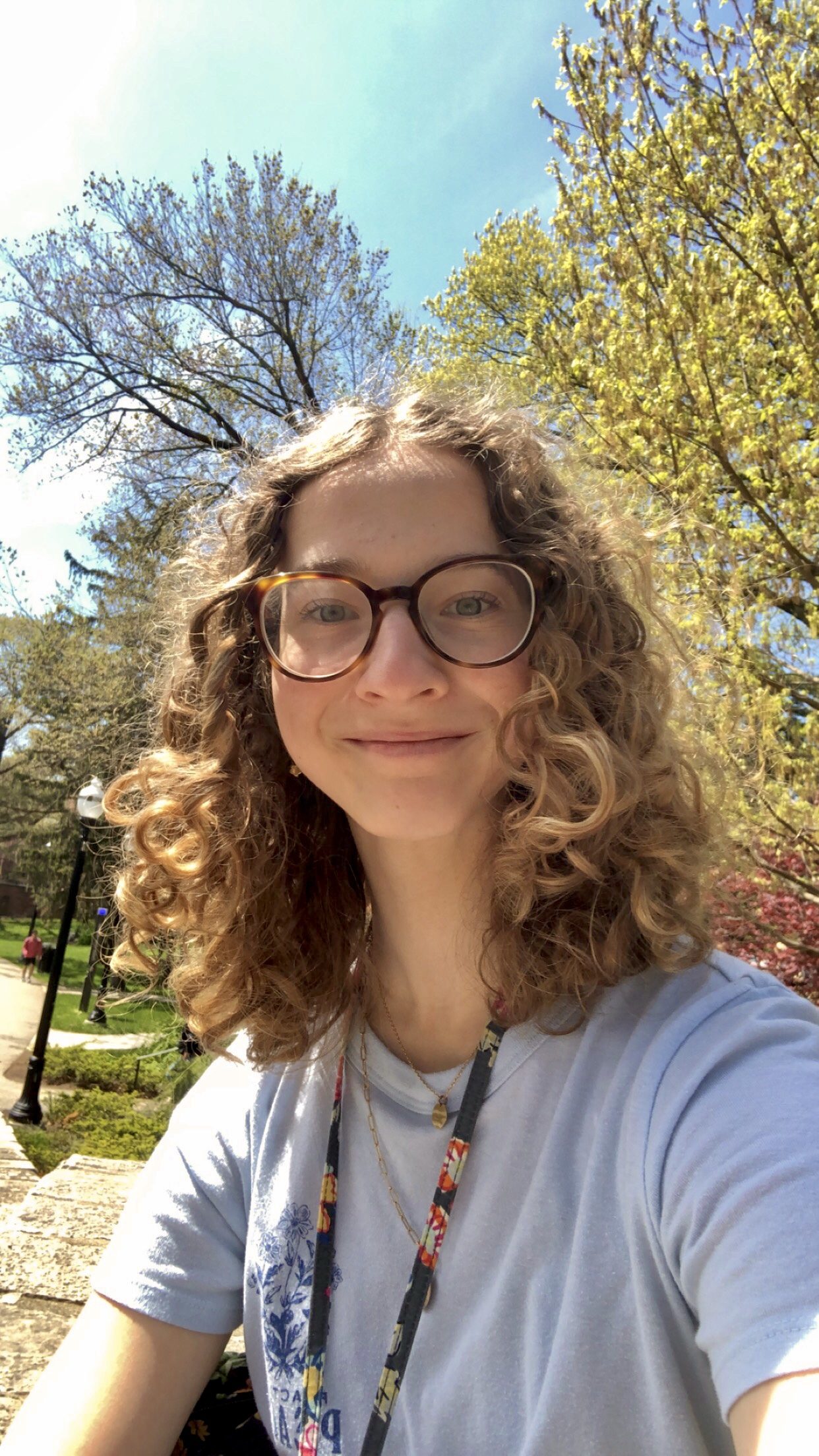
Kate Monnin
My name is Kate Monnin. I’m a rising senior English Education major (Grades 7-12) at OSU. I am a creativity fellow with the Creativity Innovation and Design Network where I work in educational environments, helping to integrate technology and curriculum together to make an accessible, fun, and productive learning environment for students!
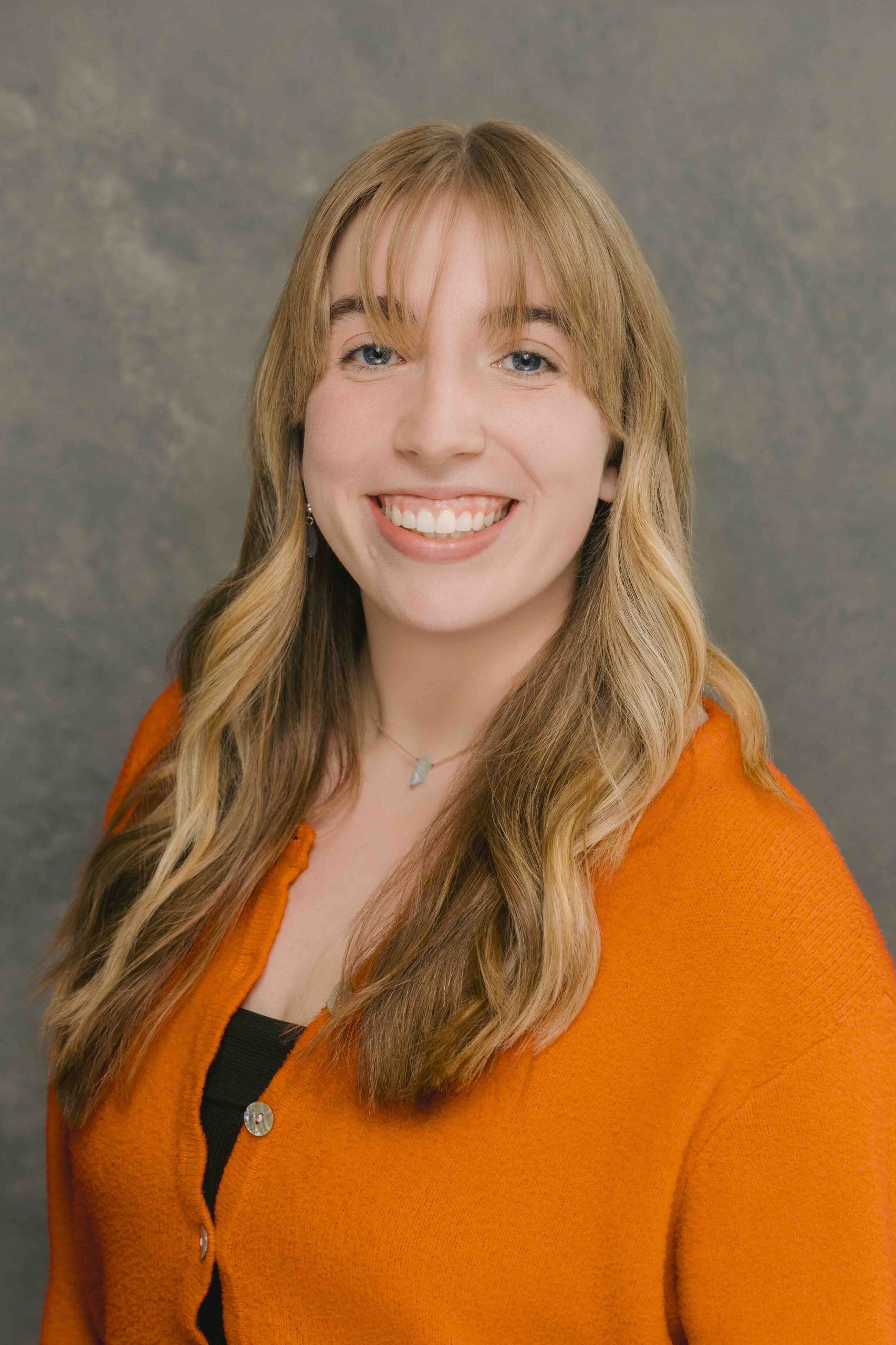
Heather Zimmerman
I’m Heather Zimmerman. I’m an incoming senior at Ohio State studying primary education with a dual intervention specialist licensure. I am a Creativity Fellow at the Creativity Innovation Design Network, where I help to implement technology into classrooms to make learning more dynamic and engaging.
Ohio’s Integrated Multi-Tiered System of Supports*
*Note: This session has two parts—please plan to attend both Part 1 and Part 2 when registering.
Part 1: Ohio’s Integrated Multi-Tiered System of Supports is a framework designed to assist districts and schools in developing a local integrated multi-tiered system of supports for providing effective instruction that meets the academic and non-academic needs of all students. Session outcomes include understanding (a) why a state framework has been developed, (b) how the framework serves and is the collective responsibility of each level of the education system, and (c) what key student learning and adult implementation components are included in the framework.
Kerry Martinez, Ohio Department of Education and Workforce
Kerry Martinez currently serves as an Administrator of the Office of Instructional Coherence and Impact at the Ohio Department of Education and Workforce. In this role, she supports districts and regional partners in implementing Ohio’s Integrated Multi-Tiered System of Supports to improve outcomes for all students. Kerry brings 20 years of experience in education, including teaching at the elementary level, serving as a curriculum specialist, and working as an elementary assistant principal. At the Department, she has also held roles as an Education Program Specialist and Assistant Director in the Office of Educator Licensure. She earned a Bachelor of Science in Early Childhood Education and a Master of Education in Curriculum and Instruction from Ashland University. Kerry also completed an Educational Leadership program, earning an Ohio principal license for grades PK–12, and most recently received her Superintendent’s license from Youngstown State University.
Tricia Couts-Everett, Assistant Administrator of the Office of Instructional Coherence and Impact, Ohio Department of Education and Workforce
Tricia Couts-Everett serves as Assistant Administrator of the Office of Instructional Coherence and Impact at the Ohio Department of Education and Workforce. In this role, she manages the development and implementation of Ohio’s Integrated Multi-Tiered System of Supports framework, supporting schools in building data-informed systems that promote student achievement. With a master’s degree in Curriculum, Instruction, and Professional Development and over 25 years of K–12 education experience across four states, Tricia brings deep expertise in curriculum design, professional learning, school improvement, instructional coaching, and classroom teaching—all of which inform her strategic, student-centered approach to advancing educational outcomes statewide.
Ohio’s Integrated Multi-Tiered System of Supports*
*Note: This session has two parts—please plan to attend both Part 1 and Part 2 when registering.
Part 2: Principals play a critical role in leading the implementation of Ohio’s Integrated Multi-Tiered System of Supports to strengthen instruction and improve achievement for all children, particularly in literacy and mathematics. Embracing shared leadership, building the professional capacity of all staff in the building, and communicating and collaborating to create the conditions for effective instruction to be delivered to all children are key components of Ohio’s Integrated MTSS framework. Learn from veteran principals how school leaders can prioritize student learning, foster a collaborative culture, make instructional practice the focus, and ensure organizational effectiveness to ensure that the academic and non-academic needs of all students are met.
LaMonica Davis, Principal, Helen E. Arnold C.L.C., Akron Public Schools
LaMonica Davis, earned both her bachelor’s degree in Elementary Education and her master’s degree in Elementary Administration from the University of Akron. Over the past 37 years, she has dedicated her career to Akron Public Schools, serving as a teacher, assistant principal, and principal at several schools throughout the district. Since 2007, she has served as principal of Helen E. Arnold C.L.C., where she opened the school and continues to lead with distinction. Mrs. Davis is widely recognized for her leadership in literacy and educational advancement, serving on multiple state and national committees, including work with the Ohio Department of Education and the International Dyslexia Association, and as a spokesperson for the Science of Reading. Her many honors reflect her commitment to education, leadership, and service, while her involvement with New Hope Baptist Church, Delta Sigma Theta Sorority, Inc., and numerous community organizations further demonstrates her lasting impact on students, families, and the Akron community.
Roger Howard, ReadOhio Coach / Consultant, ESC of NEO
Roger Howard has served on the Ohio Department of Education and Workforce State Literacy Team since 2018, primarily as an Adolescent Literacy Specialist, supporting educators across the state in implementing evidence-based language and literacy practices. Prior to this role, he served in multiple leadership positions across six Northeast Ohio school districts, including curriculum leadership, assistant superintendent, principal, and assistant principal roles. A former high school teacher and coach, Roger was recognized as the 2011 High School Principal of the Year by the Ohio Association of Secondary School Administrators and served on its board of directors from 2014 to 2018. His career in education began in adolescent residential behavior management, reflecting a lifelong commitment to supporting young people and advancing educational excellence.
What Supports AP Learning? A Collective Inquiry Workshop
We often think a lot about student and teacher learning – but what about Assistant Principals’ learning? In this collective inquiry workshop, Assistant Principals will have a chance to reflect together about current supports for their learning and co-design ideas for future learning supports.
*Note: All Assistant Principals are required to register for this session. It is being offered multiple times during the institute
Marc Stein, Executive Director, Improvement Colaboratory, Improving Education
Marc is the executive director of the Improvement Colaboratory (CoLab) at Improving Education, a non-profit dedicated to using improvement science to help make educational opportunities a reality for all children. The CoLab pairs rigorous social science research, cutting-edge methodological and analytic approaches with a deep knowledge of education practice and systems to develop the methods of improvement science for application to real world educational problems. Prior to co-founding the CoLab, Marc was the managing director of the Baltimore Education Research Consortium (BERC) and an associate professor of education policy at Johns Hopkins University. Marc received his PhD (Leadership and Policy Studies) from Vanderbilt University and his MS (Secondary Education) and BA (History) from the University of Tennessee, Knoxville
Gratitude: Cultivating an Internal Resource
In a profession defined by constant demands, uncertainty, and emotional labor, it can be difficult to prioritize the practices that sustain us. In education, many of the pressures we face are difficult to change, but we can intentionally strengthen the internal resources that help us navigate them.
This session explores gratitude through a practical, research-informed lens. Educational leaders will learn how the brain’s attention filtering system shapes what we notice and experience, and how intentional gratitude practices can help direct attention toward what sustains us, broadens perspective, and builds resilience without minimizing real challenges. Through reflection and practical application, participants will leave with a deeper understanding of the science of gratitude, realistic strategies for integrating gratitude into daily life and leadership, and practical tools for cultivating greater perspective, professional joy, job satisfaction, and sustainable well-being.

Lori Ludwig, Founder/CEO, Elevate
Lori is dedicated to cultivating purpose and growth in others. With 33 years of experience in educating and elevating others, Lori thoughtfully supports and inspires individuals, teams, and large groups. In addition, she co-founded a software company dedicated to serving nonprofits and schools. Lori lives in Ohio with her husband, Brett. Her greatest teachers are her 3 adult daughters and her brand-new granddaughter. Lori’s family is her highest joy!
Emily Harmon, Director of Research & Development, Elevate
Emily Harmon is a leadership consultant, executive coach, and public speaker specializing in organizational and leadership development. She partners with organizations to cultivate healthy cultures, strengthen leadership capacity, and support sustainable performance through research-informed, human-centered practices. Emily is currently pursuing her doctorate in Organization Development and Change, where her research explores leadership communities, belonging, leadership well-being, and burnout reduction. She integrates research and practice to help organizations navigate challenges while creating environments where leaders and people can thrive.
Portrait of Family Partnership: A Multi-Tiered Approach to Family Engagement
This session will introduce participants to the Multi-Tiered Framework for Family Engagement (MTFE) and its connection to student success. Participants will learn how our Portrait of Family Partnership attributes are intentionally aligned to the multi-tiered framework to guide consistent and meaningful family engagement across all levels of support.
Attendees will examine the multi-tiered approach to family engagement and identify strategies for engaging diverse families within each tier. The session will also provide an opportunity to review and apply the Multi-Tiered Approach to Family Engagement planning document to support intentional, inclusive, and aligned family partnership practices.
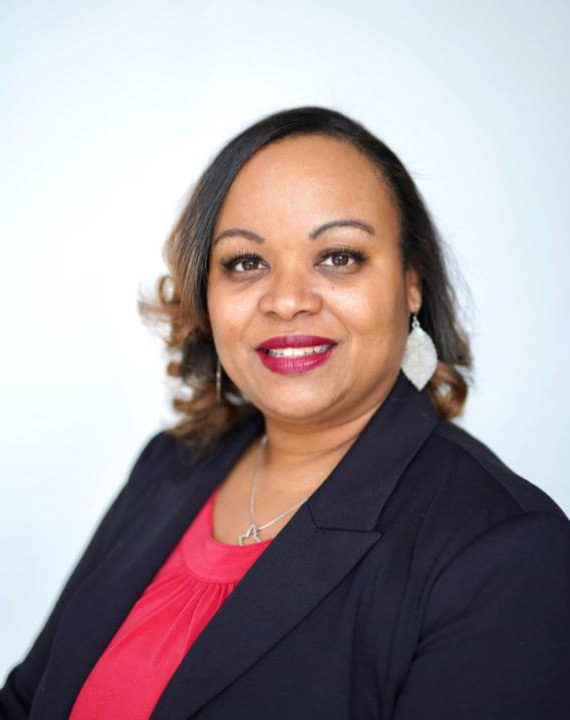
Seneca Bing, Director of Family Engagement, Columbus City Schools
Seneca D. Bing is the Director of Family and Community Engagement for Columbus City Schools with more than 19 years of experience in education. Beginning her career as a School Counselor, she developed a strong understanding of the importance of academic, behavioral, and social-emotional wellness in supporting student success. She believes inclusive and culturally responsive environments are essential to building meaningful partnerships between schools, families, and communities.
In her current role, Seneca oversees districtwide family engagement initiatives, leading more than 100 Family Ambassadors and Bilingual Engagement Liaisons. Her work includes leading large-scale district initiatives and budgets, developing professional development, supporting school leaders in strengthening family and community partnerships, and using data-informed decision-making to improve outcomes for students and families.
A proud graduate of Columbus City Schools, she earned a Bachelor of Science in International Business from The Ohio State University and holds master’s degrees in School Counseling and Educational Leadership. She is also the Founder and President of Aliyah’s Light, a nonprofit supporting families impacted by pregnancy and infant loss, a published author, collegiate curriculum writer, and a 2025 Women for Economic and Leadership Development (WELD) Calendar Honoree.
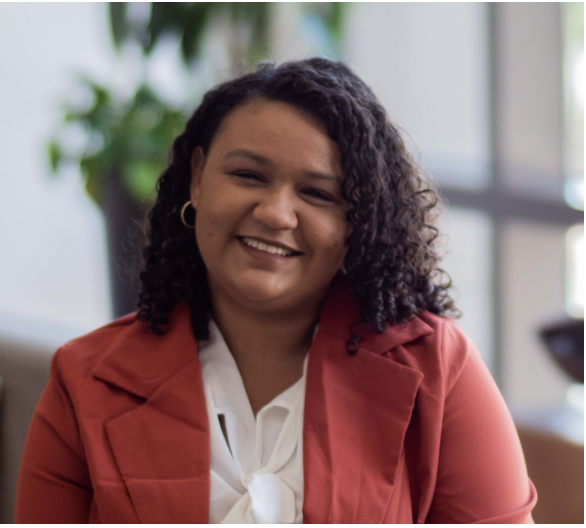
Lauren Lopez, Director of Attendance, Climate, and Culture in the Office of Whole Child Support
Lauren Lopez serves as the Director of Attendance, Climate, and Culture in the Office of Whole Child Supports, bringing more than 14 years of experience across the K–16 education continuum. In her role, Lauren leads the design, implementation, and continuous improvement of districtwide Attendance, Climate, and Culture systems. Her work centers on reducing barriers to attendance, strengthening school climate, and supporting culturally responsive practices that honor the whole child. Deeply committed to the Columbus community, Lauren approaches her leadership with a focus on collaboration, data-informed decision-making, and sustainable systems that support students, families, and educators in achieving long-term success.
What Counts Now? AI, Evidence of Learning, and the Leadership Decisions That Matter
This session invites educational leaders to confront a question AI has made urgent: if students can generate polished work with AI assistance, how do we know what they actually understand? But the deeper question is one Jean Anyon raised over four decades ago, not just whether students are learning, but what kind of thinking they are being asked to do. Grounded in cognitive science and learning sciences research, participants will examine how AI can either reproduce or disrupt long-standing patterns in the distribution of intellectual opportunity. Through district-relevant scenarios, leaders will practice identifying what cognitive position a student occupies when AI is present, develop shared language for distinguishing demonstration of understanding from demonstration of tool use, and examine how assignment design choices can either open or close the door to higher-order thinking for every student. The session closes with a practical framework leaders can bring back to their buildings for guiding teacher conversations about implementing effective AI integration into teaching and learning.

Dr. Mariah Hagadone-Bedir, Cleveland State University
Mariah Hagadone-Bedir, PhD, is a Visiting Assistant Professor at Cleveland State University in the Teacher Education Department and an AI and Learning Design Consultant. Her research bridges artificial intelligence in education, cognitive science, and learning design, with a focus on how AI integration can either expand or narrow the distribution of intellectual opportunity in education. She regularly presents at conferences like the Ohio Educational Technology Conference (OETC) and Association for Educational Communications and Technology (AECT) and has had work published in the British Journal of Educational Technology. A former high school science teacher, Mariah brings K-12 practitioner expertise to her scholarship and her partnerships with school districts, public libraries, and communities across Ohio.
Leading Teams That Solve Problems
Effective schools and districts depend on teams that can identify challenges, work across departments, make informed decisions, and take collective action. This session explores how academic and operations leaders can strengthen collaboration, improve team problem-solving, and build shared ownership around the work that matters most. Participants will examine practical leadership strategies that help teams move beyond discussion toward clearer decisions, stronger alignment, and meaningful results.
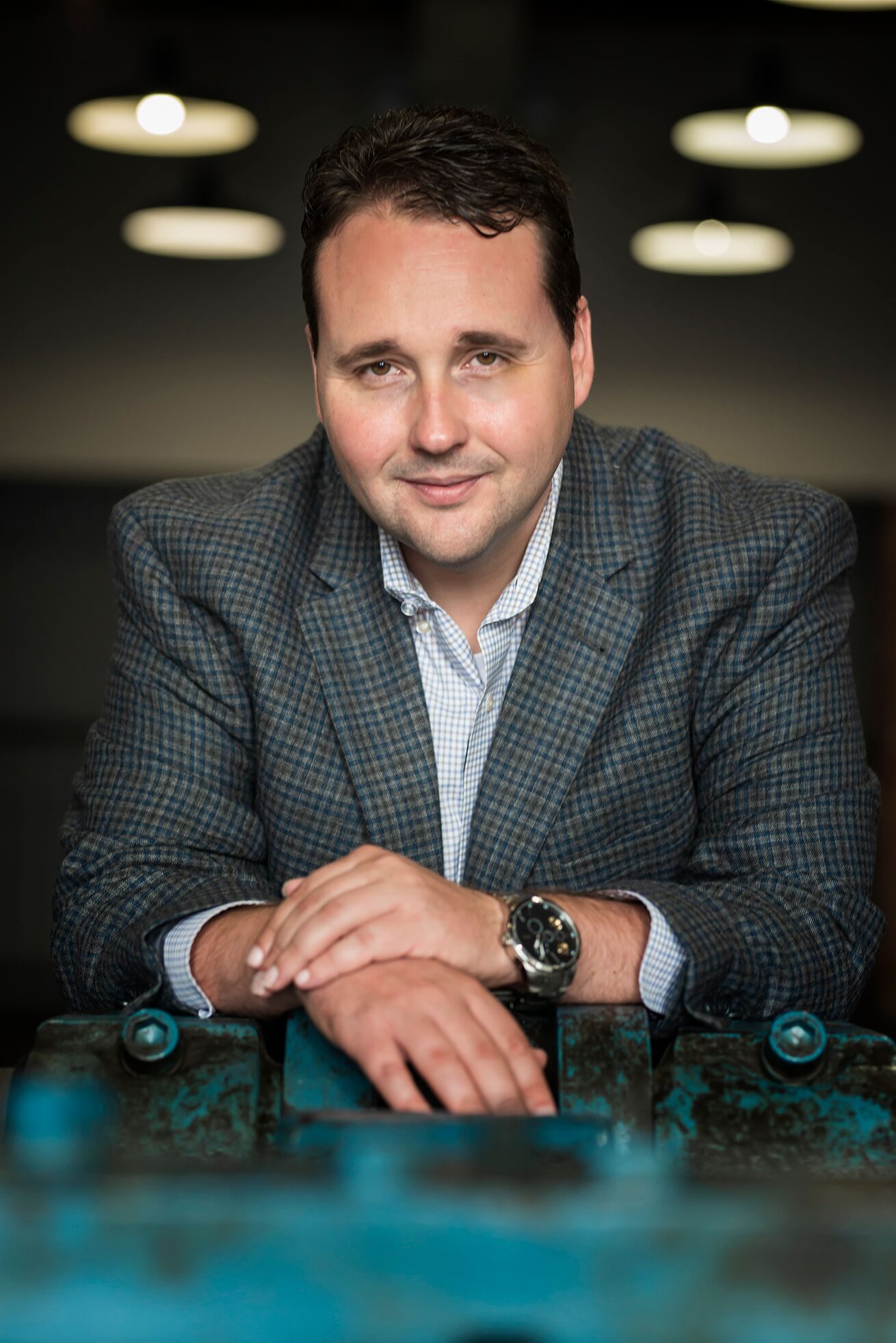
Rodney Harrelson, Facilitator, Educational Consultant and Organizational Strategist, RTH Strategic Planning and Consulting
Dr. Rodney Harrelson is an educational strategist, facilitator and consultant. He has over 24 years of experience working with schools and districts in urban, suburban and rural settings (including 16 years working as both a teacher and administrator in Columbus City Schools). In his professional role, Dr. Harrelson provides strategic counsel, facilitation, coaching and implementation support to district and school leaders across the country. In addition, Dr. Harrelson serves as an adjunct professor at Ashland University. His work primarily focuses on assessing the needs of organizational systems, cultivating positive school cultures, supporting collaborative teams and aligning systems, coaching educational leaders at all levels, supporting implementation of improvement and innovative practices and understanding the ever-changing educational landscape at the local, state and federal levels.